

Three decades of marketing change.
How the industry shifted, and what JMS was building alongside it.
Every marketing tool eventually becomes yesterday’s tool. Since 1991, JMS Marketing has watched the industry cycle through one seismic shift after another – from the Rolodex and direct-mail era we started in, through the rise of email and search, the social media explosion, and now the generative AI wave reshaping how brands connect with buyers. What hasn’t changed is our approach: master the fundamentals of strategy first, then adopt the tools that actually serve our clients. That discipline is why JMS has outlasted trends that once looked unstoppable. Take a look at how we got here – and why staying grounded in fundamentals is our real competitive advantage.

1991
Industry Milestones
-
The Early 90s Marketing Playbook
In 1991 the recession squeezed marketing budgets, leading companies to scrutinize advertising expenses and prioritize immediate results. Trade shows proved relatively resilient, with attendance growing modestly before gaining momentum in subsequent years. Marketing also began shifting from mass promotion toward coordinated communications, stronger customer relationships, customization, and technology-supported feedback. Meanwhile, environmental marketing gained visibility, and the emerging World Wide Web laid the groundwork for a digital era that would eventually transform how businesses reached customers.
JMS Adaptation
-
The Foundation Era
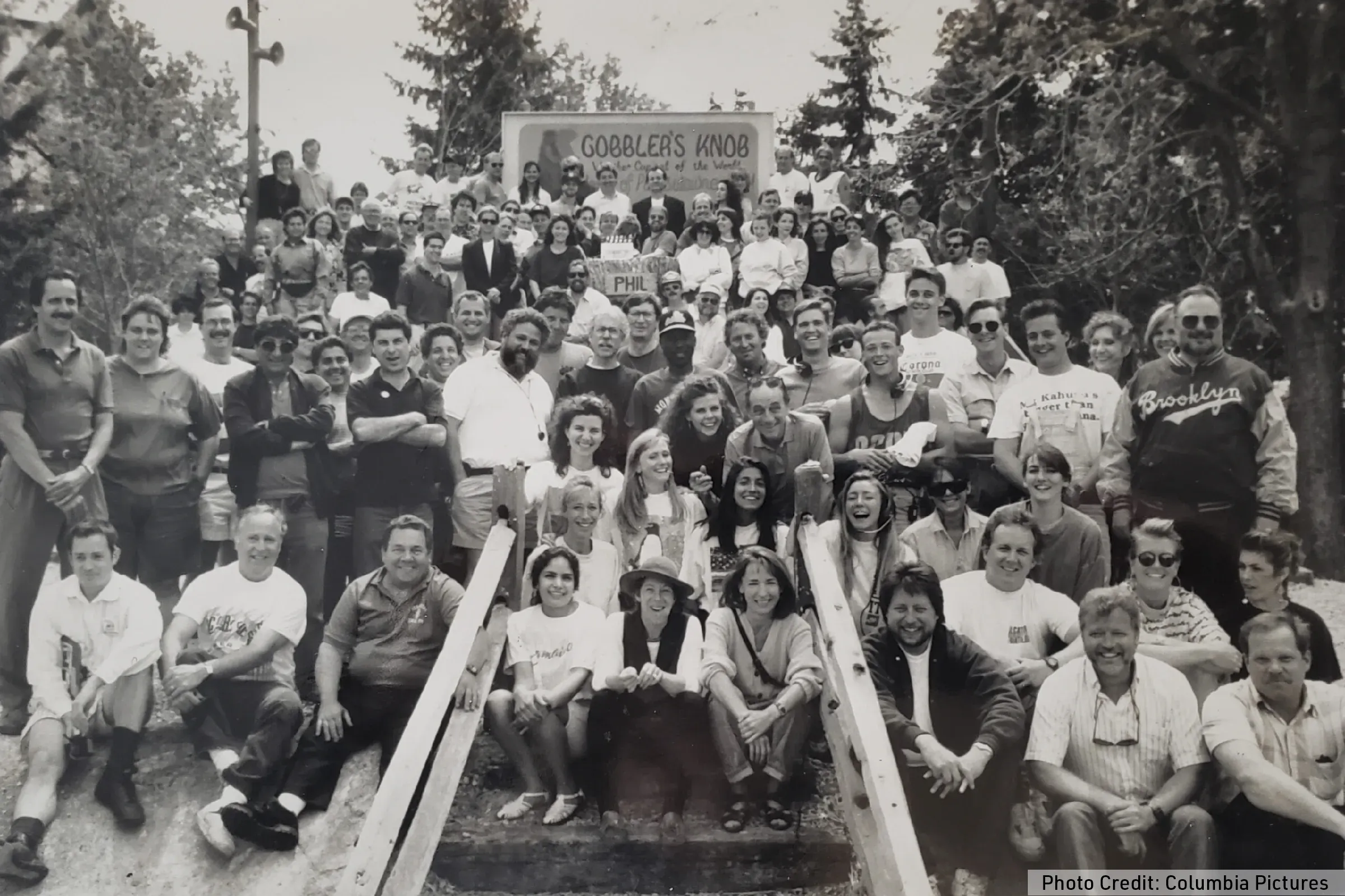
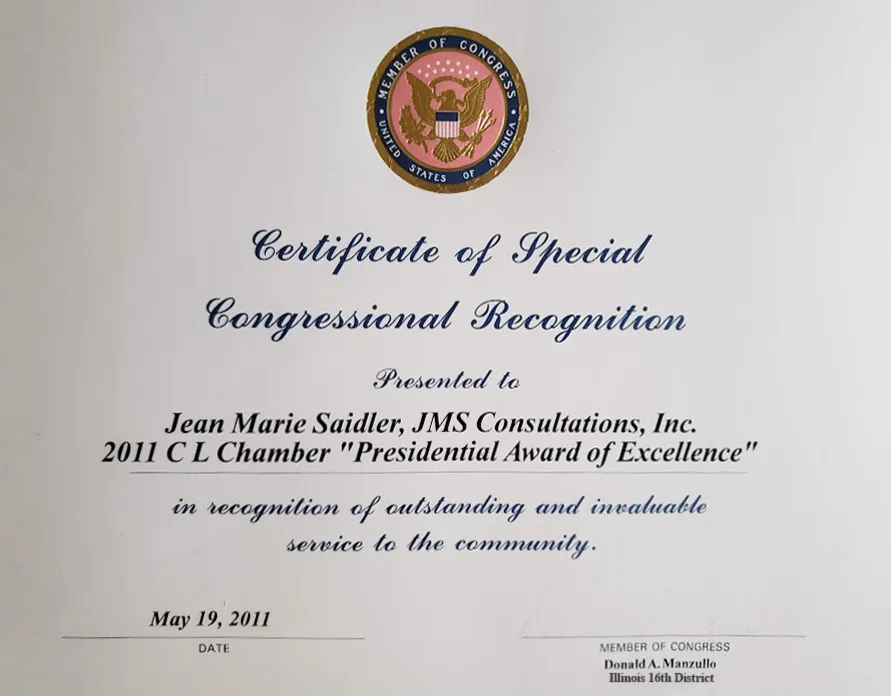
Driven by her interest in strategy and responsible marketing-budget development, Jean Marie Saidler founded JMS Consultations, Inc. in 1991 as a solo consultancy. Drawing on marketing experience at Miller Brewing Company and The Seven-Up Company, she aligned strategy, messaging, creativity and execution with measurable client goals. Columbia Pictures became an early client during the filming of Groundhog Day when Saidler developed an integrated advertising and communications campaign that prepared Woodstock businesses, property owners, residents, and the public for filming—foreshadowing JMS’s hands-on, market-specific approach.

1992 - 1995
Industry Milestones
-
Relationship Marketing Gained Momentum
Relationship marketing shifted marketing priorities from individual transactions to retention, loyalty, satisfaction, and customer lifetime value. Meanwhile, the California Milk Processor Board’s “Got Milk?” campaign proved that a simple, relatable idea could become culturally enduring. Although the internet was quietly emerging, B2B spending remained focused on brochures, catalogs, sell sheets, and sales materials.
JMS Adaptation
-
Feeling the Shift, but Staying Grounded
JMS built an adaptable culture by developing new capabilities rather than turning away opportunities. While print and traditional marketing dominated the early 1990s, the agency expanded beyond consulting into collateral, advertising, and event support. Growing AOL email access also improved operations, enabling faster, lower-cost communication with clients, vendors, printers, and media representatives.


1996 - 2000
Industry Milestones
-
Infrastructure Built, Trust Still Pending
In the mid-1990s, digital marketing was emerging but remained experimental, supporting credibility and awareness more than reliable B2B lead generation. Most websites functioned as online brochures with company, products, and contact information. Slow dial-up connections and inconsistent browsers limited online experiences, while print, direct mail, trade media, sales teams, distributors, and trade shows remained essential channels.
JMS Adaptation
-
From Outsource to In-House
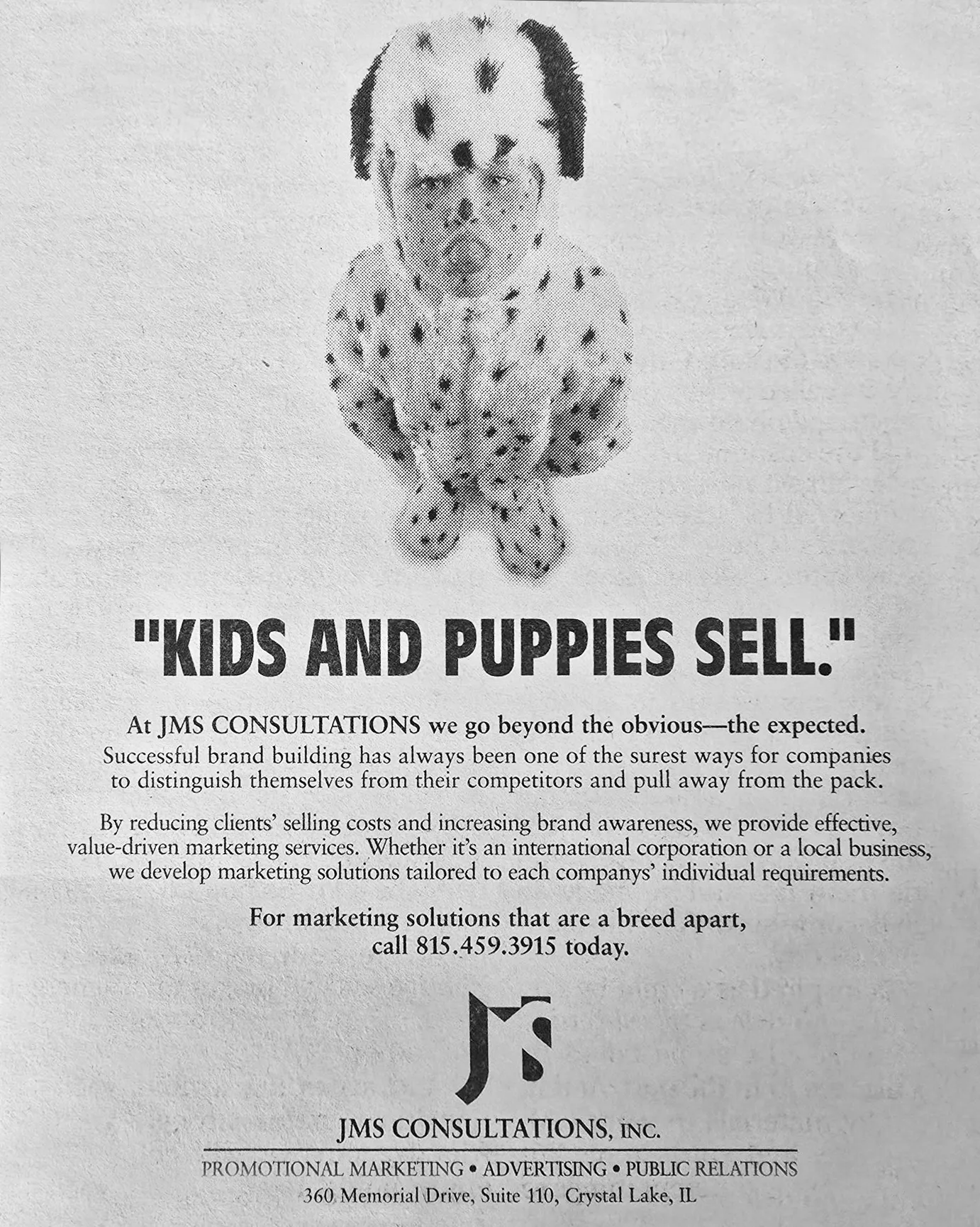
In its early years, JMS Marketing operated under the JMS Consultations banner, building an agency model grounded in research, collaboration, responsiveness, value-conscious execution, and strong client relationships. As demand increased, the firm expanded its industrial and B2B marketing services to include trade show marketing, print advertising, sales collateral, trade media, and early website development. A growing client base created the need for experienced in-house staff, upgraded marketing technology, and greater production capacity. With a larger team and stronger resources, JMS established dedicated office space and positioned itself to deliver integrated marketing campaigns, earn early industry awards, and help clients navigate the accelerating pace of digital and technological change.



2001
Industry Milestones
-
When Marketing Paused
On September 11 and in the days that followed, normal commercial messaging largely stopped. Major broadcast networks suspended commercials during continuous news coverage, and marketers pulled or revised campaigns that suddenly felt trivial, insensitive, or disturbing—especially ads involving airplanes, skyscrapers, explosions, fear, or irreverent humor. Brands learned that the cultural moment matters as much as the creative idea. A campaign that may have been effective the week before could damage reputation if it appeared tone-deaf after a national tragedy.
JMS Adaptation
-
With Hearts United: Remembering 9/11
In the wake of September 11, 2001, JMS navigated profound economic uncertainty and changing communications needs with care, purpose, and strategic focus. As B2B organizations faced tighter budgets and closer scrutiny of every investment, clients needed more than creative ideas—they needed trusted partners who could deliver meaningful, measurable results. JMS strengthened its integrated, relationship-driven approach through brand building, relevant content, emerging digital opportunities, trade shows, and events. By listening closely and adapting thoughtfully, JMS helped clients move forward with confidence and sustainable growth.

2002 - 2005
Industry Milestones
-
The Bridge to Modern Marketing
Between 2002 and 2005, the U.S. marketing industry moved from post-9/11 caution and the dot-com downturn into a recovery period defined by accountability, measurable results, and the early rise of digital marketing. Traditional advertising remained dominant, but search, email, websites, online display ads, blogs, and the first social platforms began changing how organizations reached—and measured—audiences.
JMS Adaptation
-
From Insight to Impact: The Power of JMS Client Briefs
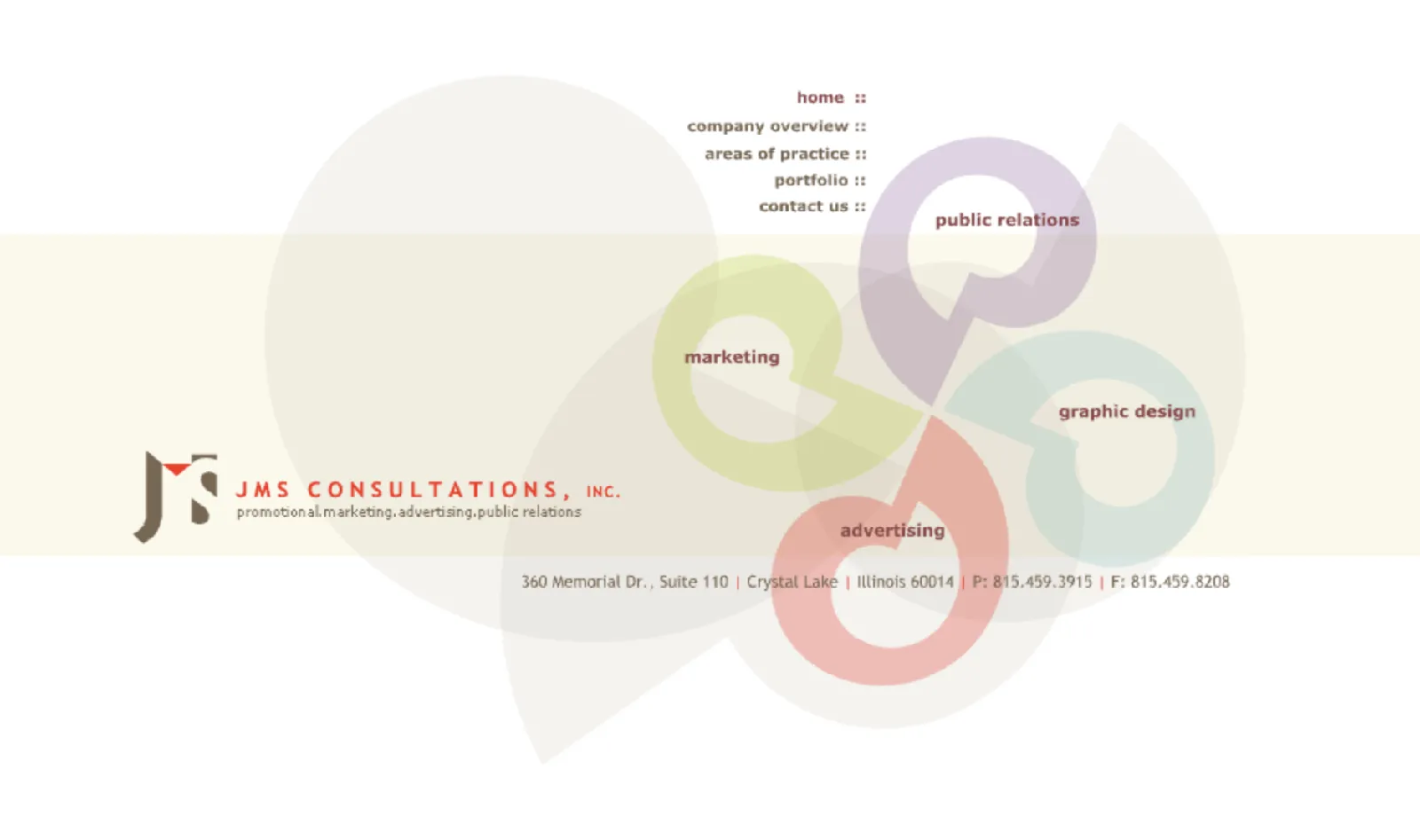
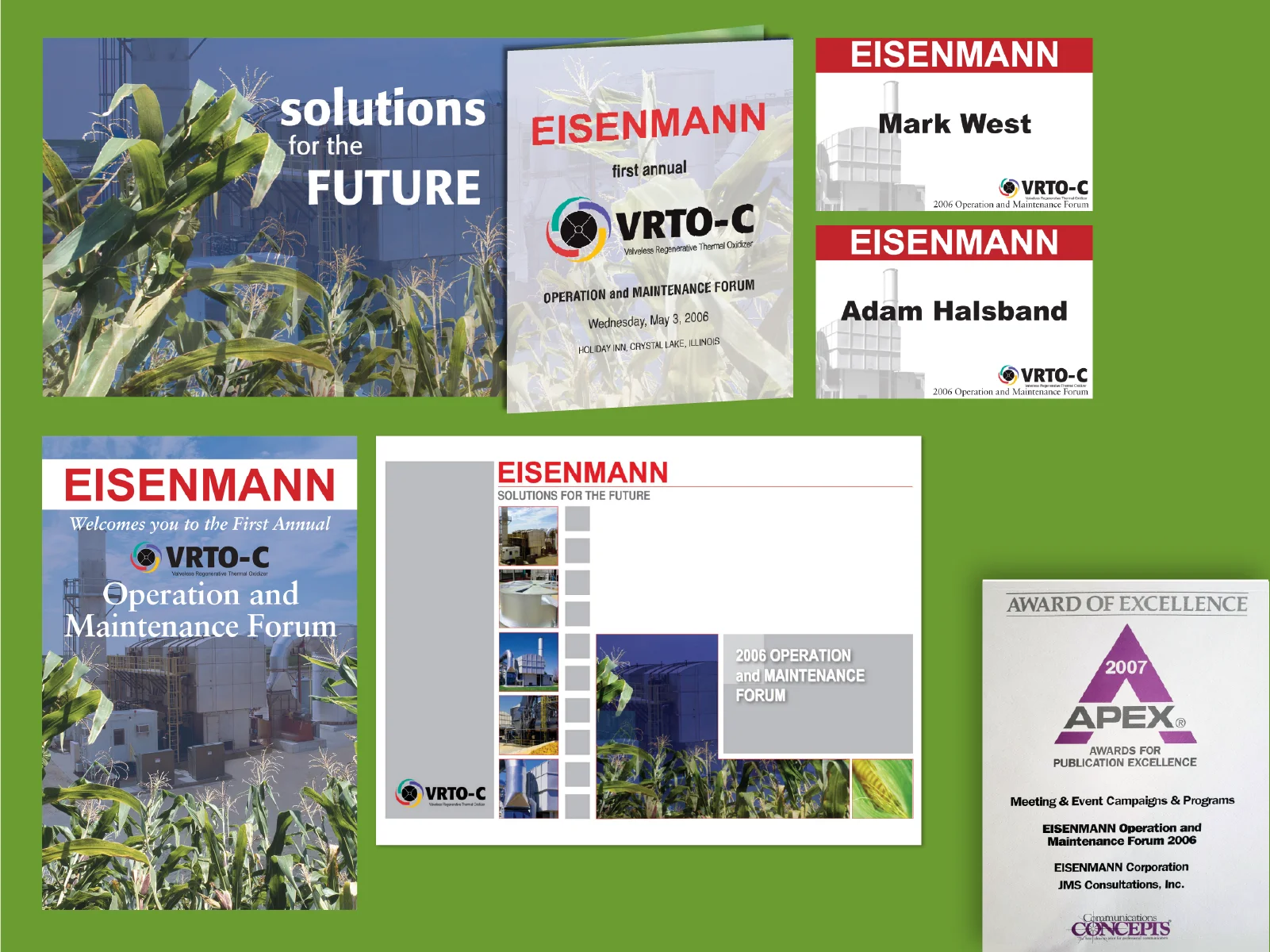
For JMS Marketing, 2002–2005 was a pivotal bridge to the digital future. The agency recognized that digital marketing did not replace traditional tools—it made them stronger. Through integrated campaigns, JMS helped clients generate leads, equip sales teams, build relationships, and measure results. Its proprietary, detailed client briefs provided the strategic foundation for both planning and execution. By pairing proven marketing methods with emerging digital opportunities, JMS positioned clients for lasting success and earned its second APEX Award for Publication Excellence.



2006 - 2010
Industry Milestones
-
Audience Became Participants.
From 2006 to 2010, marketing grew more interactive, visual, and measurable. Social media, online video, search, mobile devices, and digital content enabled brands to build conversations instead of simply broadcasting messages. Consumers could comment, share, review, and create material that shaped brand perception in real time. For agencies such as JMS, success meant combining proven capabilities—branding, print, events, and sales collateral—with websites, email, video, social media, and performance measurement.
JMS Adaptation
-
Built on Talent, Driven by Original Thinking
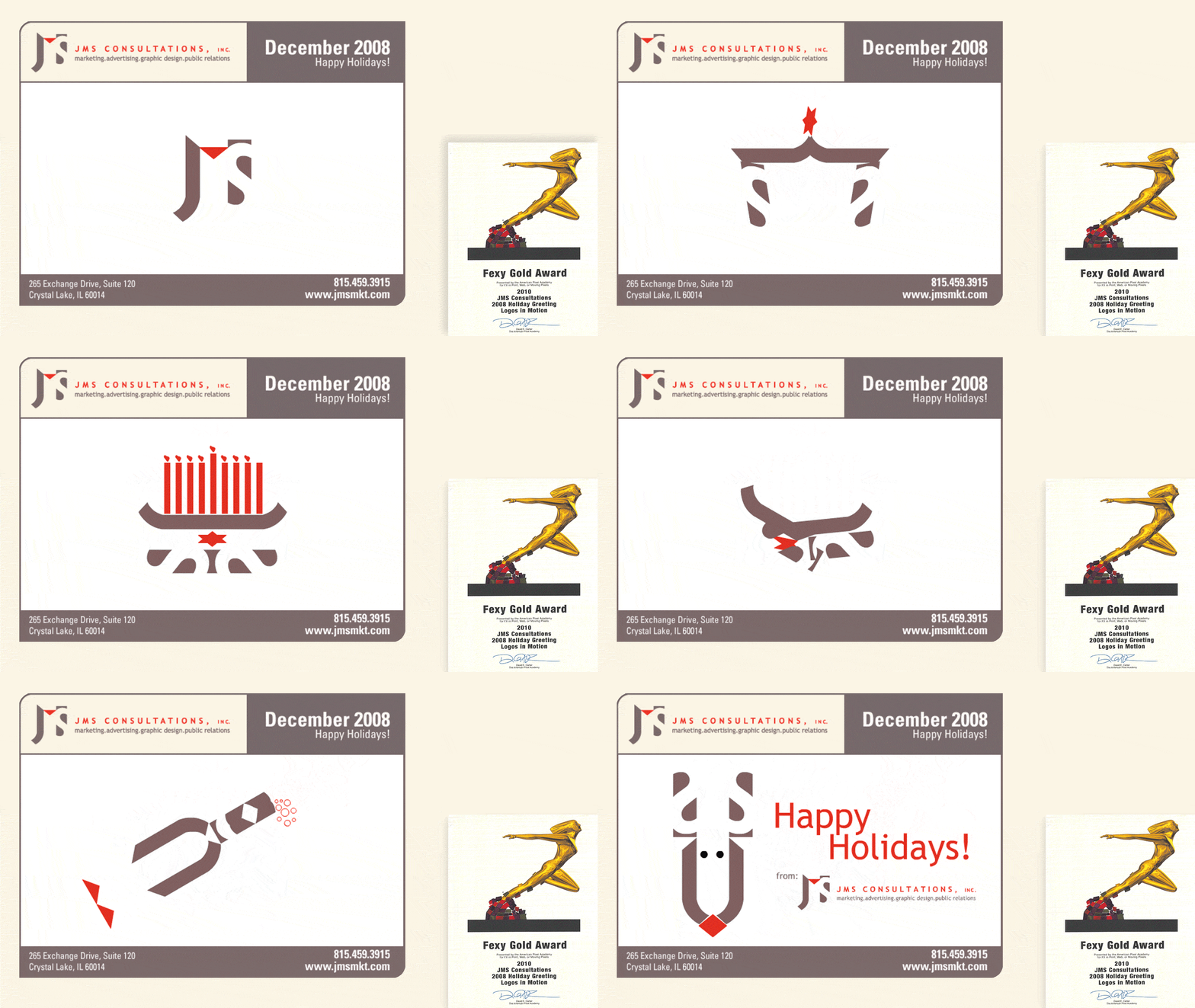
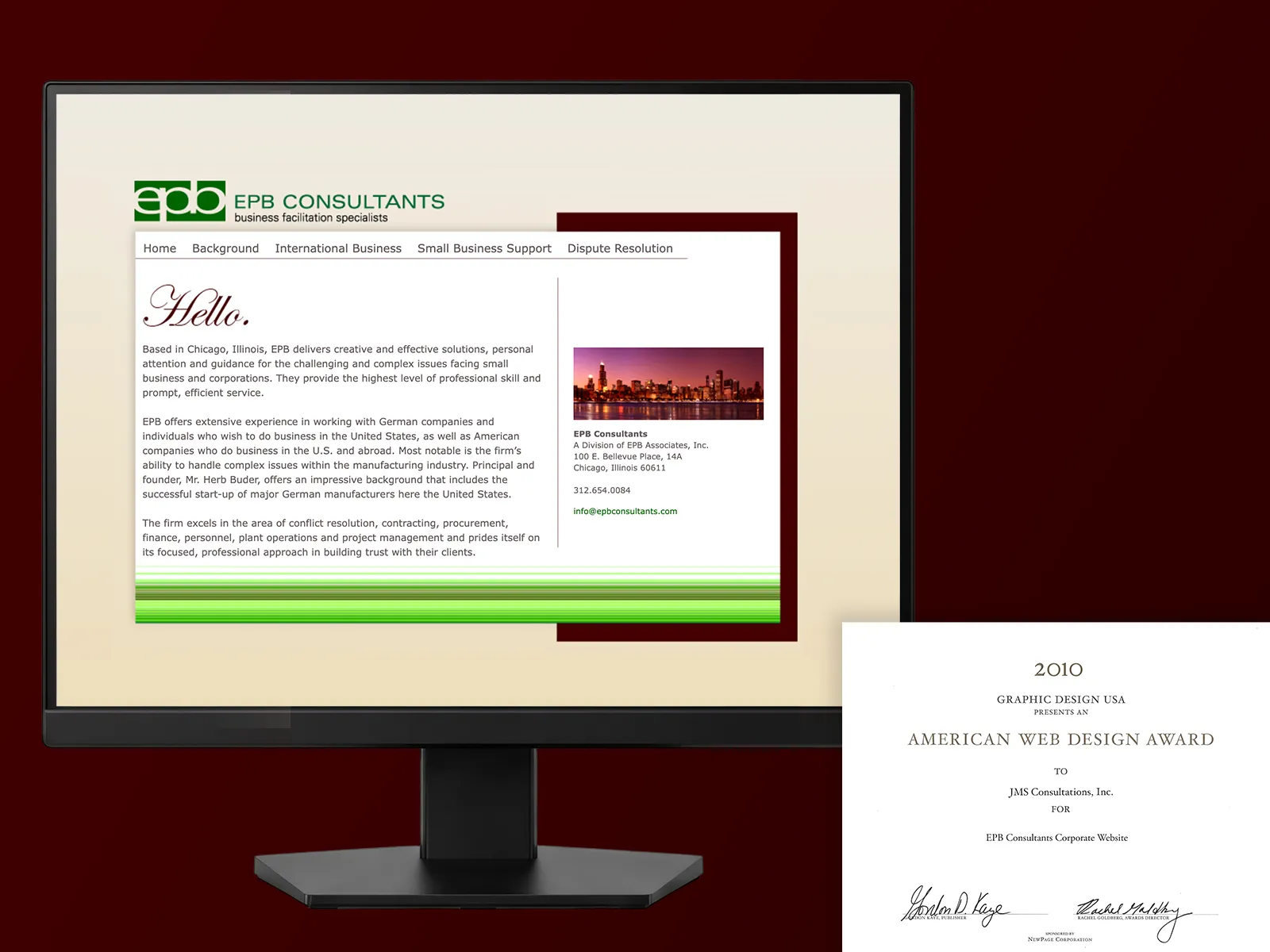
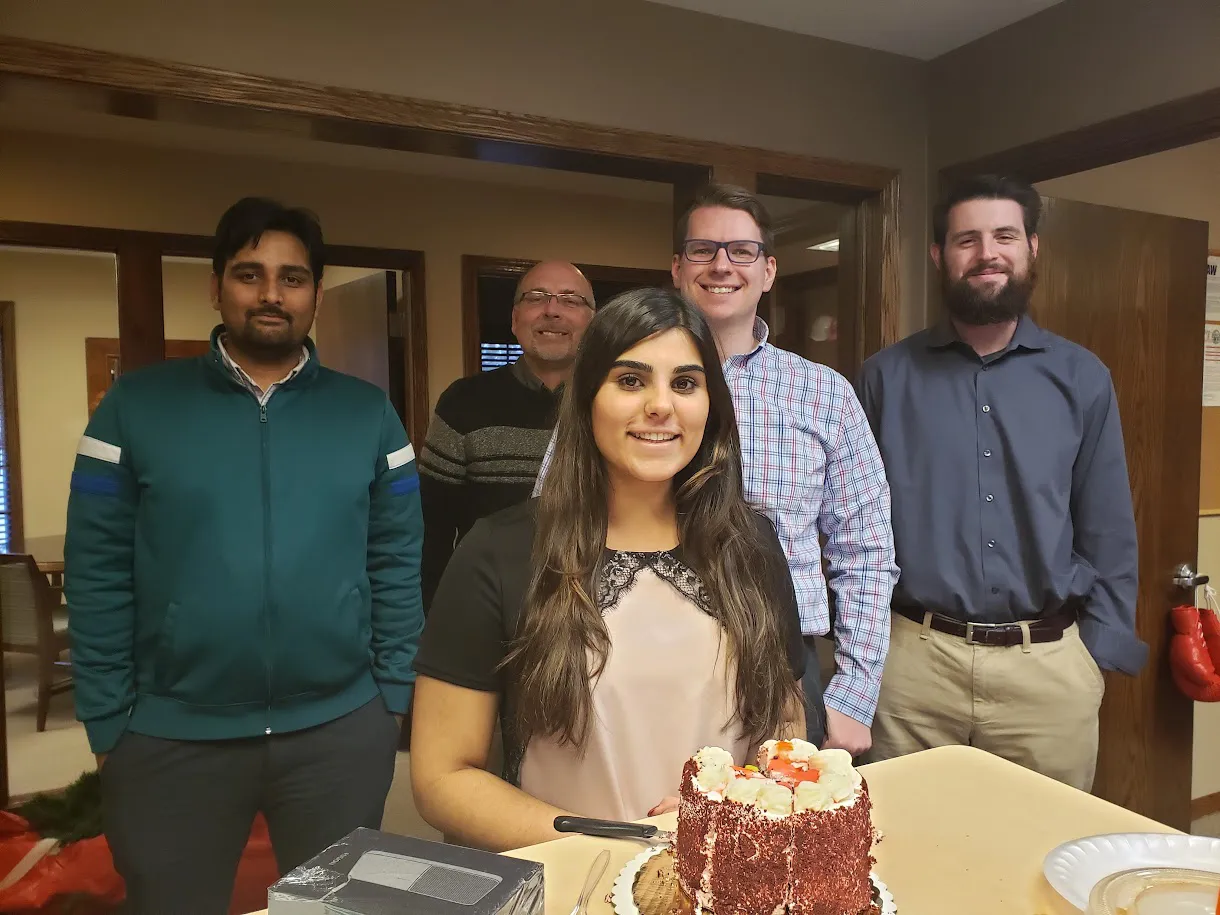
In 2008, JMS Marketing expanded its offices once again and continued to steadily grow its in-house team of creative and marketing professionals, several of whom remain with the company today. Its success reflects the shared expertise, dedication, and experience of its team, reinforced by enduring client trust. Original thinking has always set JMS apart. The agency rejects cookie-cutter design and one-size-fits-all strategies, using creative, strategic ideas to help clients stand out, build connections, and achieve lasting success.






2011 - 2015
Industry Milestones
-
Beyond the Dues – Building Associations
Nonprofit industry associations increasingly needed marketing that demonstrated membership value, deepened engagement, increased event attendance, attracted sponsors, and supported advocacy. Rather than simply promoting dues and events, associations focused on delivering year-round benefits through education, networking, industry news, professional resources, and member recognition. Success depended on building an active, informed community with meaningful connections and ongoing value—not merely maintaining a mailing list.
JMS Adaptation
-
Same Spark. Bigger Impact.
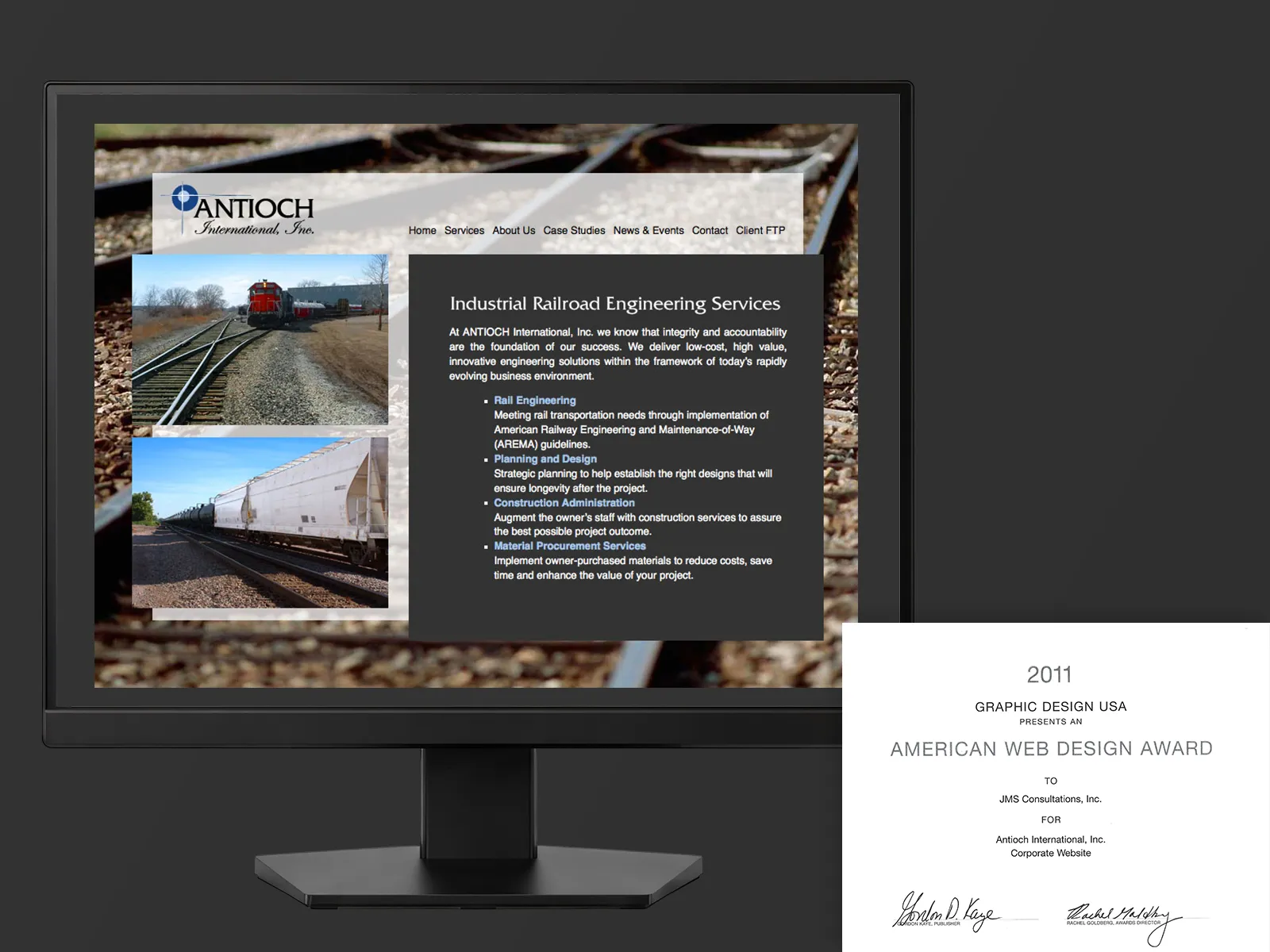
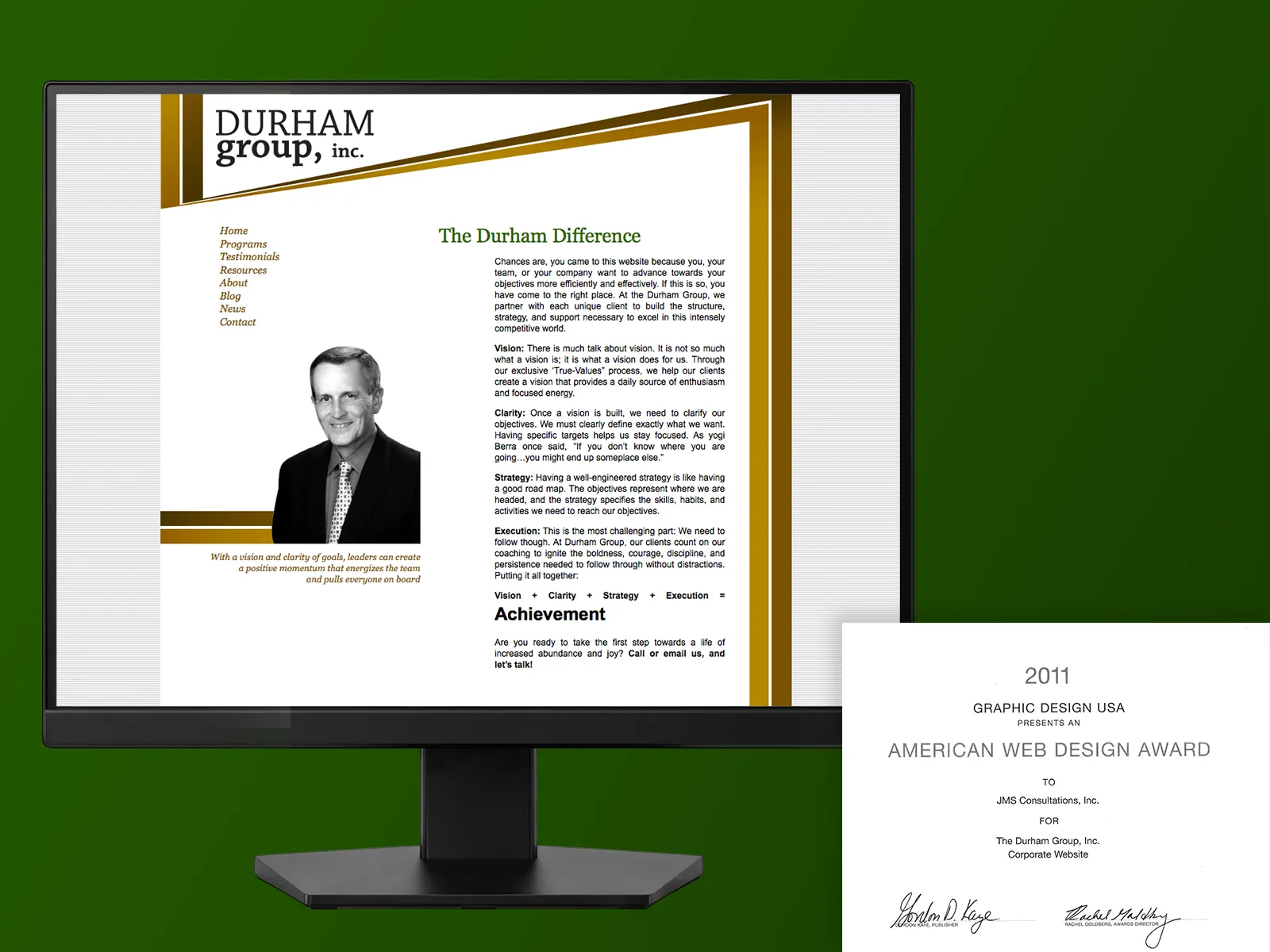
As the digital era expanded, JMS Marketing united proven creative discipline with emerging tools—from strategic messaging, design, branding, sales materials, events, and sales support to mobile-ready websites, social media, email, video, search, and analytics. In 2015, nearing its 25th anniversary, JMS Consultations became JMS Marketing, reflecting its evolution into a full-service, turn-key marketing and communications partner. The new name retained JMS’s established reputation while signaling expanded capabilities in building brands, executing campaigns, embracing digital channels, and delivering measurable results.


2016 - 2019
Industry Milestones
-
Winning Trust Before the Sales Call
Between 2016 and 2019, B2B branding continued to evolve beyond logos, brochures, and sales support. It became digital, buyer-centered, data-informed, and designed to establish trust before prospects contacted sales. Marketers needed to influence entire buying groups, including technical users, executives, finance, procurement, and operations. Events and relationship selling remained valuable but no longer dominated engagement. Buyers researched independently, compared ROI, and involved more stakeholders. Brands built confidence through clear content, expertise, usability, relevance, and proof—preparing digitally mature organizations for COVID-19’s disruption.
JMS Adaptation
-
Nationally Certified with a New Office Chapter
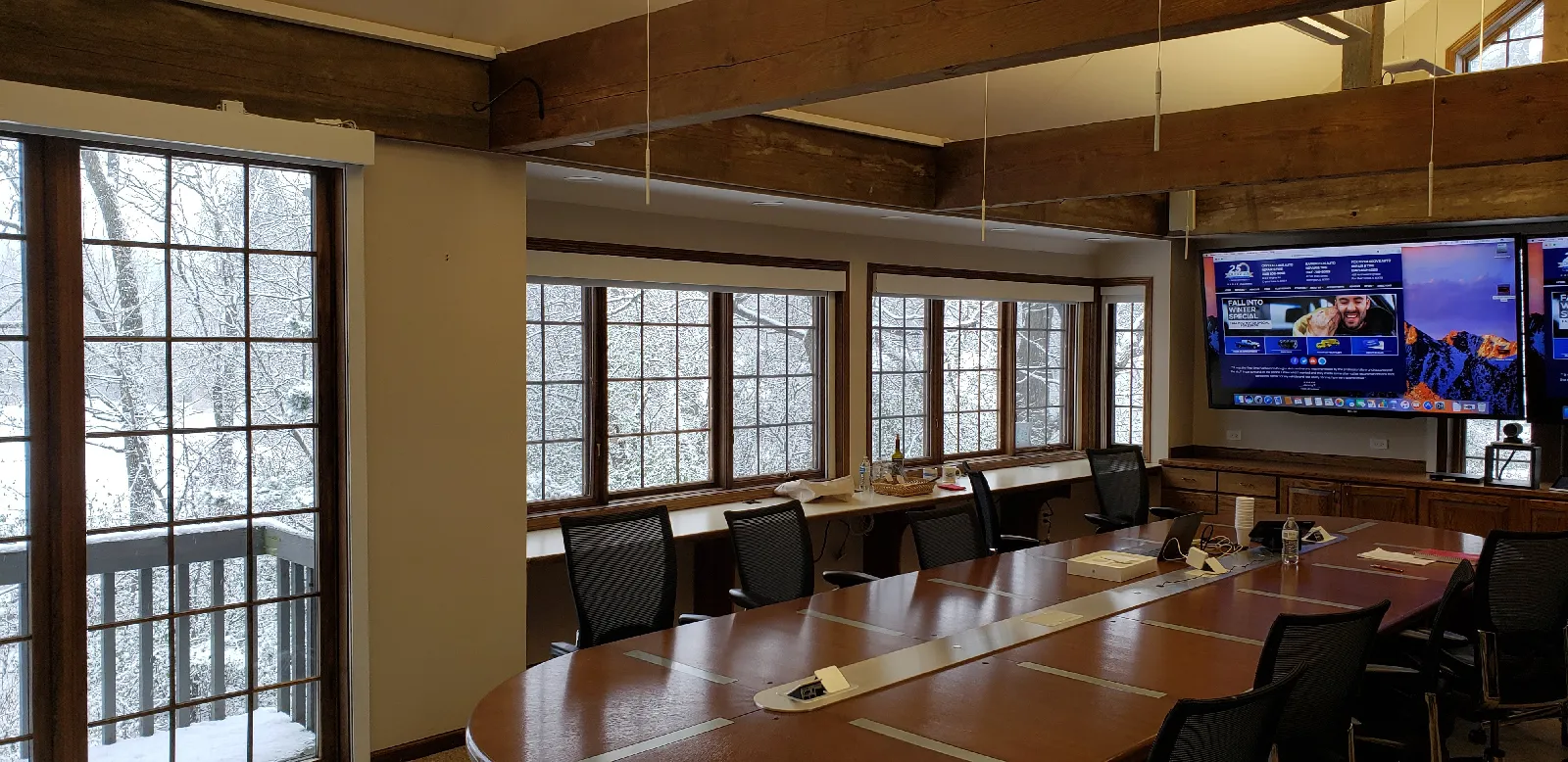
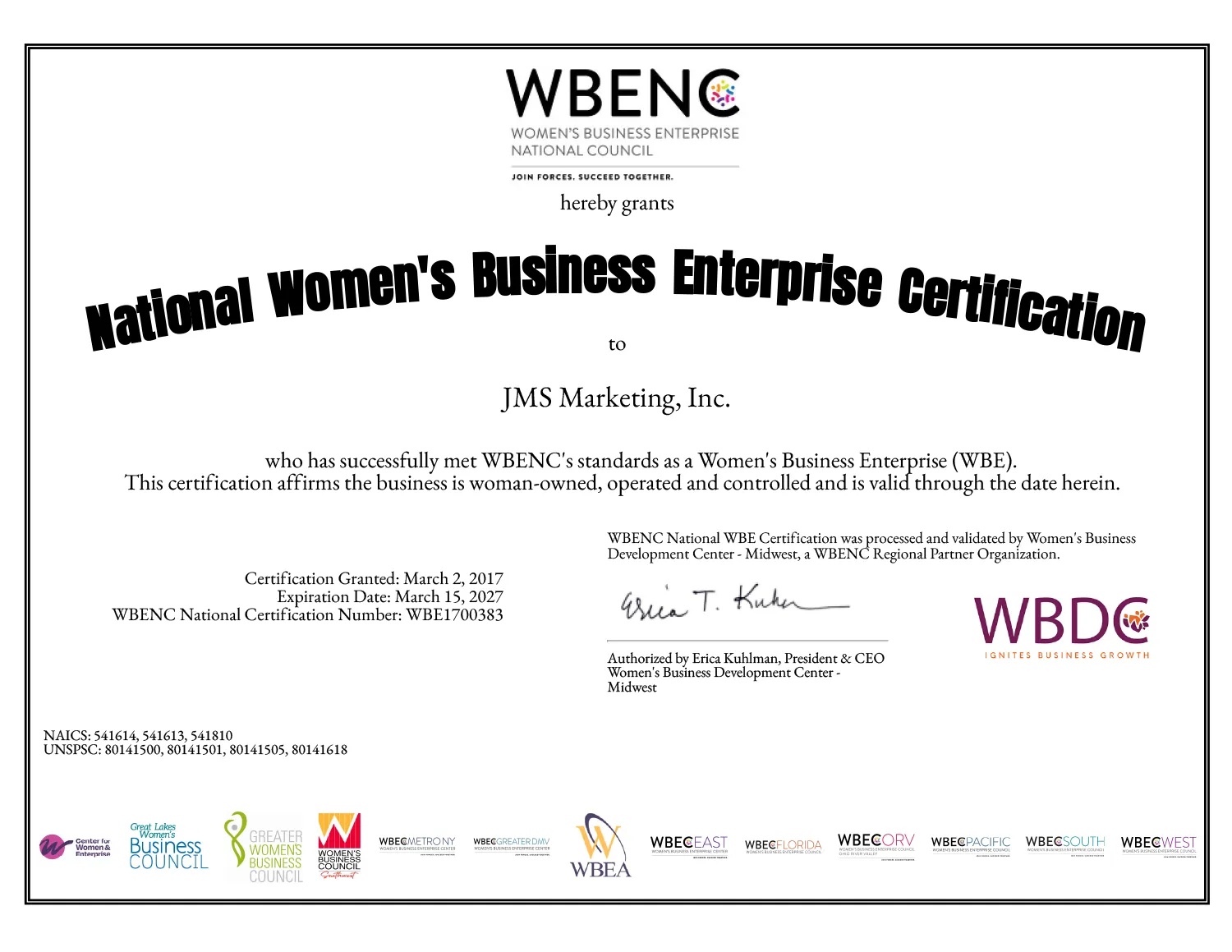
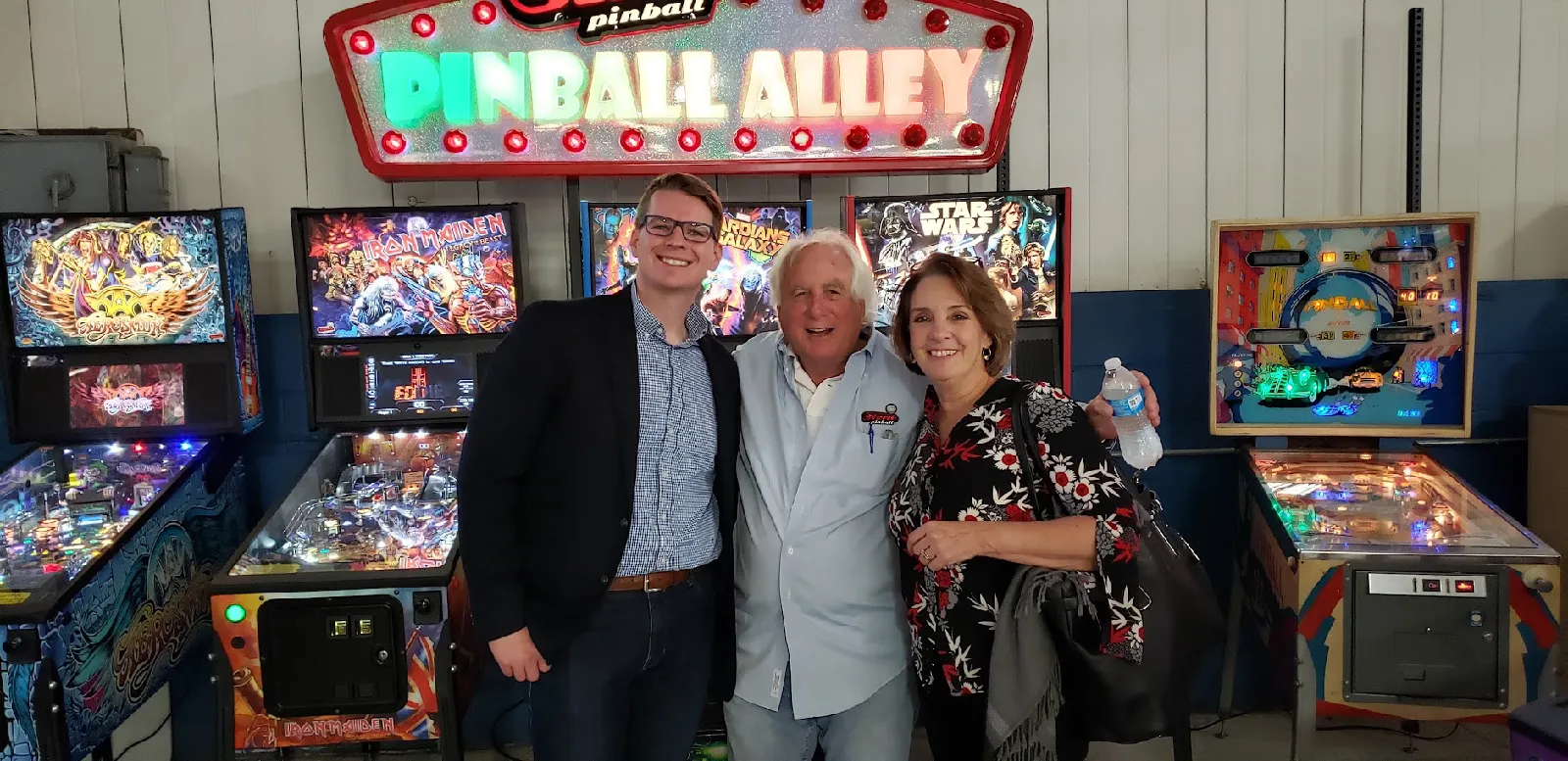
As the environmental sector expanded, JMS broadened its client base and achieved national certification through the Women’s Business Enterprise National Council (WBENC). At the same time, rapid growth in the medical industry brought an unexpected change. A medical-device company purchased the building JMS had occupied for more than 10 years, requiring the agency to relocate. The move became a blessing in disguise: when the pandemic accelerated virtual meetings and remote collaboration, JMS required less office space and gained flexibility for its next chapter.



2020
Industry Milestones
-
Pandemic Accelerates the Omnichannel B2B Future
COVID-19 led the World Health Organization to declare a global pandemic on March 11, disrupting B2B staples such as in-person sales calls, trade shows, and industry events. Rather than disappearing, these channels evolved. The crisis accelerated an omnichannel model combining face-to-face meetings, remote communication, and self-service options, giving buyers greater flexibility and control over how they engage with companies.
JMS Adaptation
-
Built for the Pivot
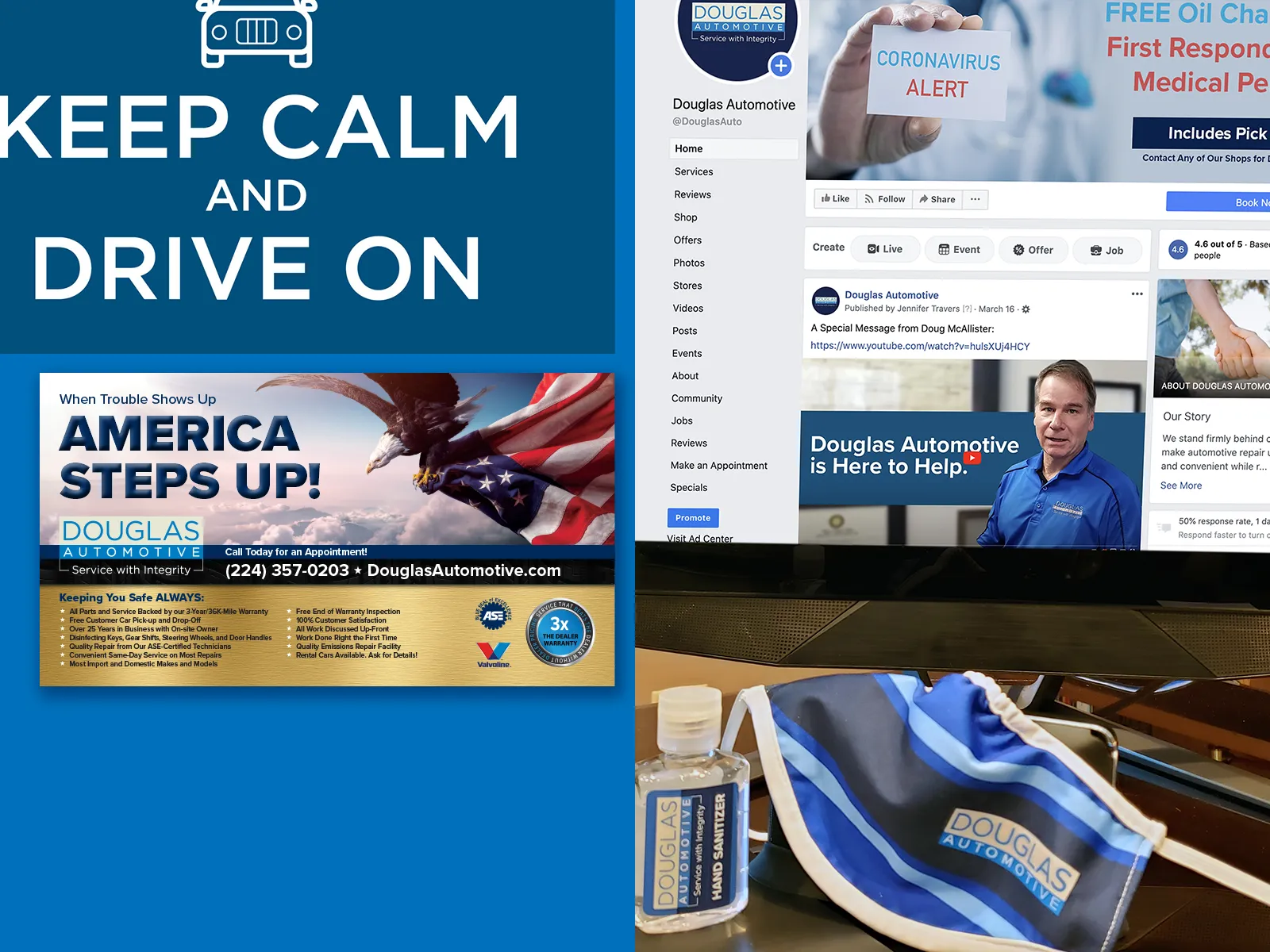
JMS’s earlier investment in skilled staff and digital capabilities likely gave it a head start when COVID-19 disrupted normal B2B marketing in 2020. Rather than beginning from scratch, the agency already had the expertise to help clients shift from in-person outreach to responsive websites, search, content, social media, email, and data-informed digital campaigns. In early March 2020, JMS was already publishing guidance about the coronavirus’s impact on the meetings and trade-show industry, advising companies to monitor credible sources, and create a “Plan B”


2021 - 2025
Industry Milestones
-
Marketing Underwent a Rapid Transformation.
Digital investment expanded, as the pandemic fog finally lifted and the word transformed back to a new normal. Digital communication exploded and privacy changes reshaped audience targeting, as AI began changing content creation. Businesses faced a more complex landscape—one that demanded stronger, more responsive customer relationships, adaptable creative strategies, and clearer measurement of results.
JMS Adaptation
-
Another Business Milestone
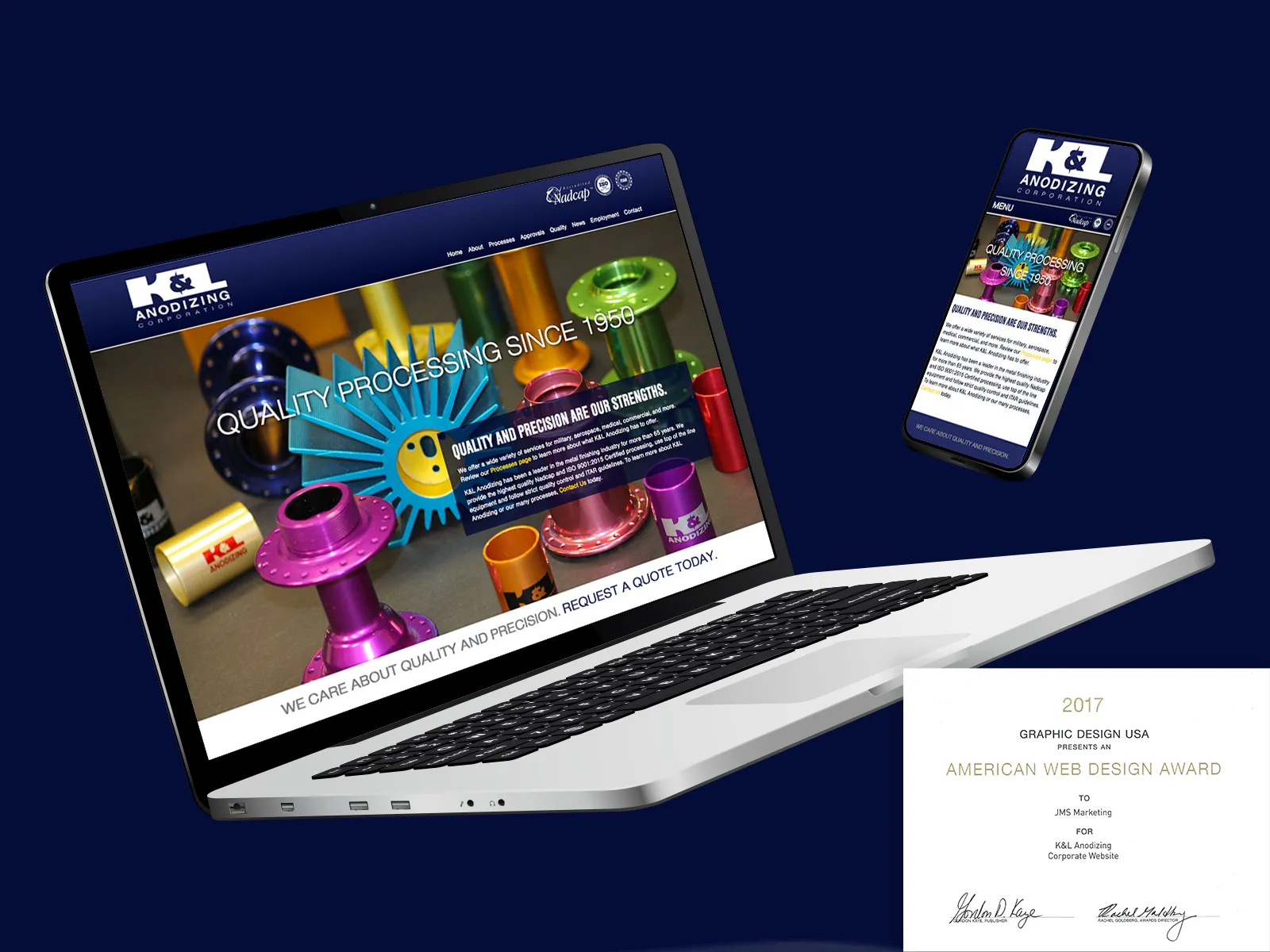
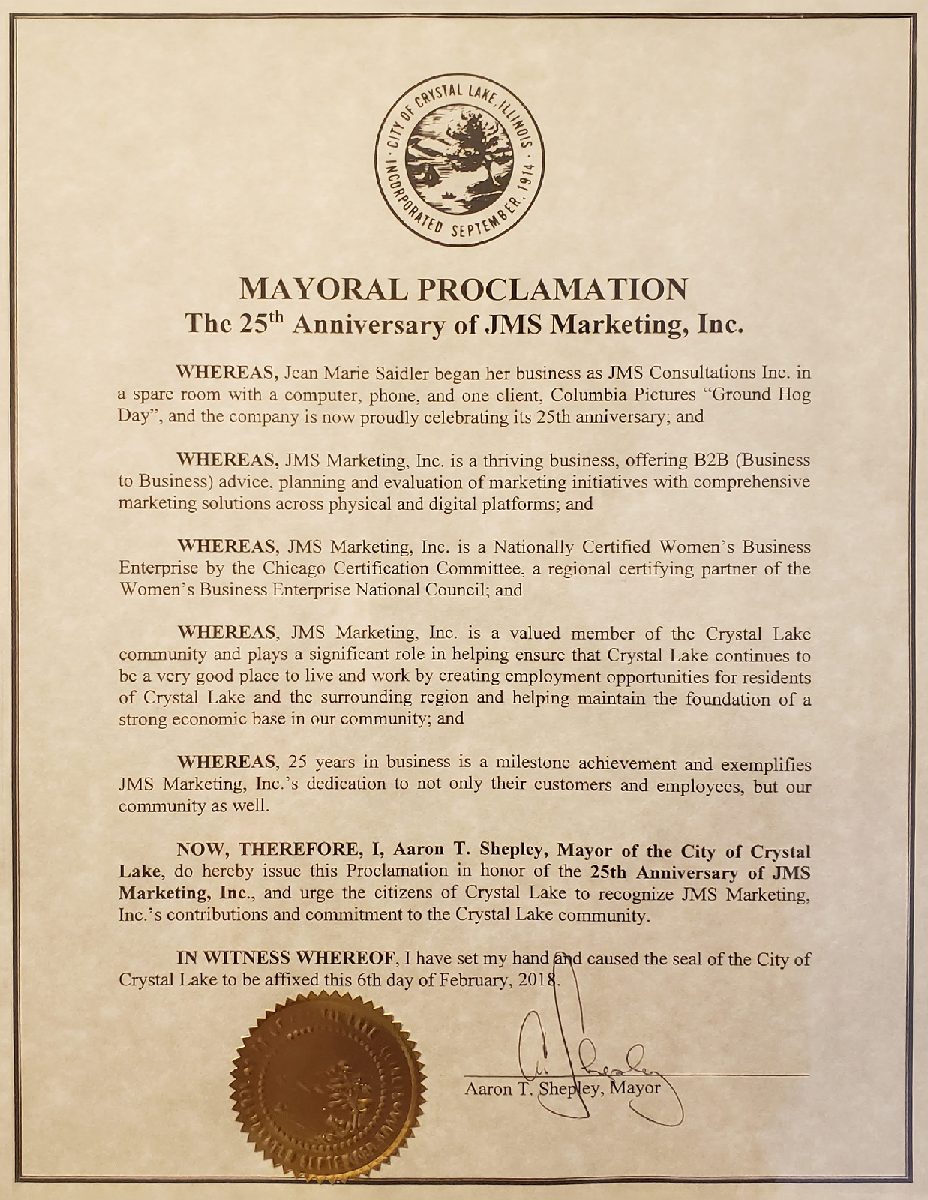
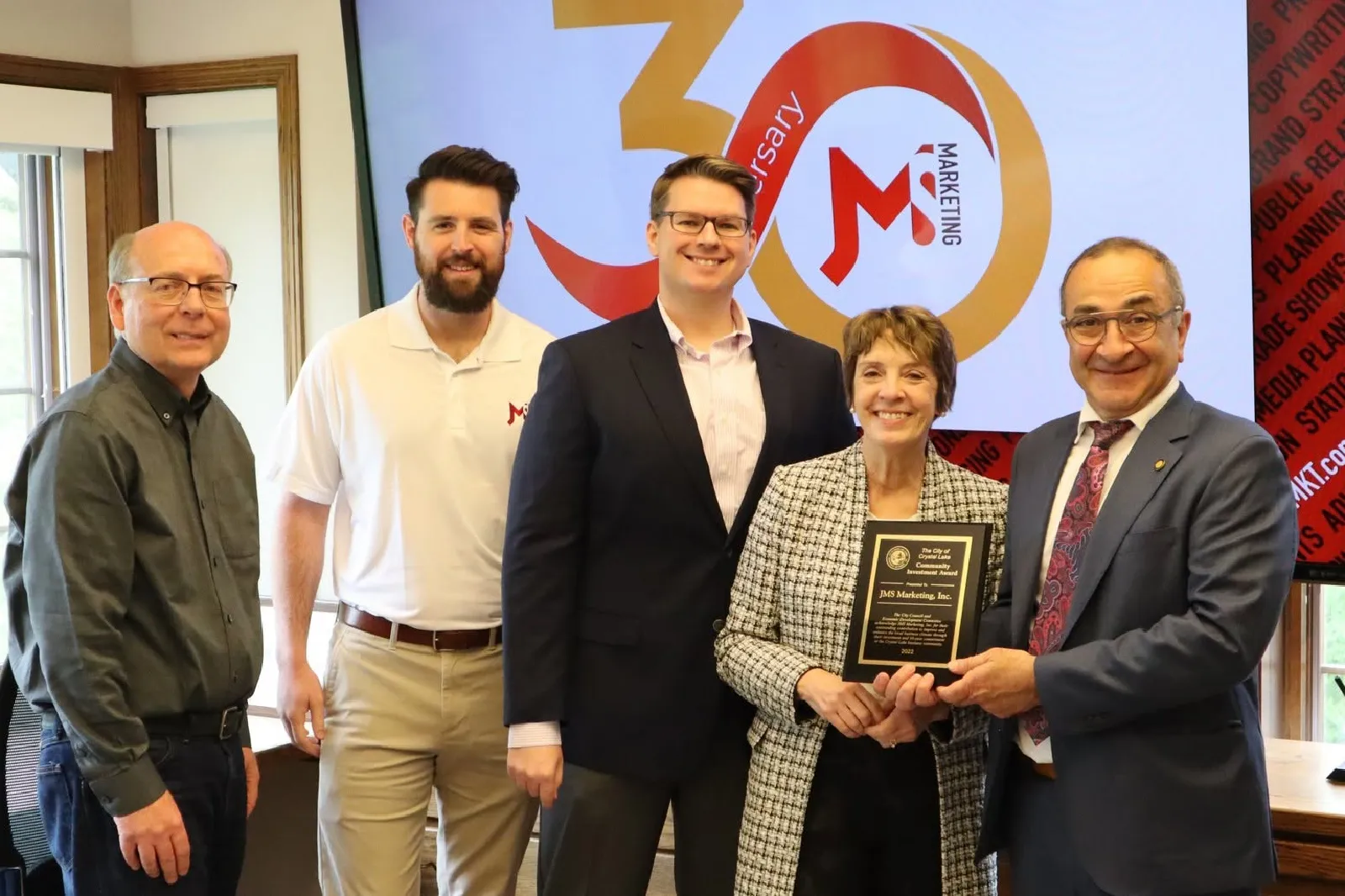
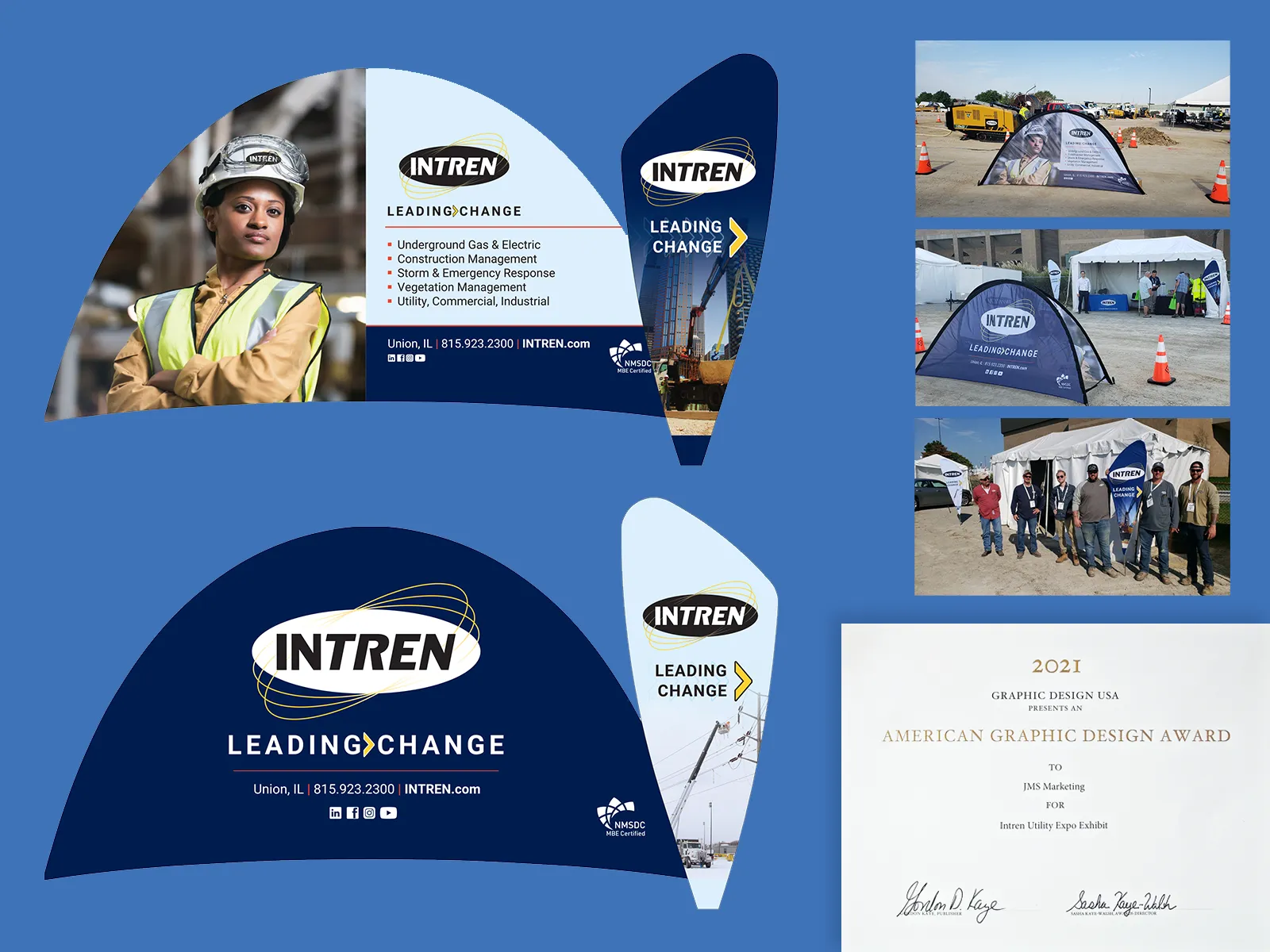
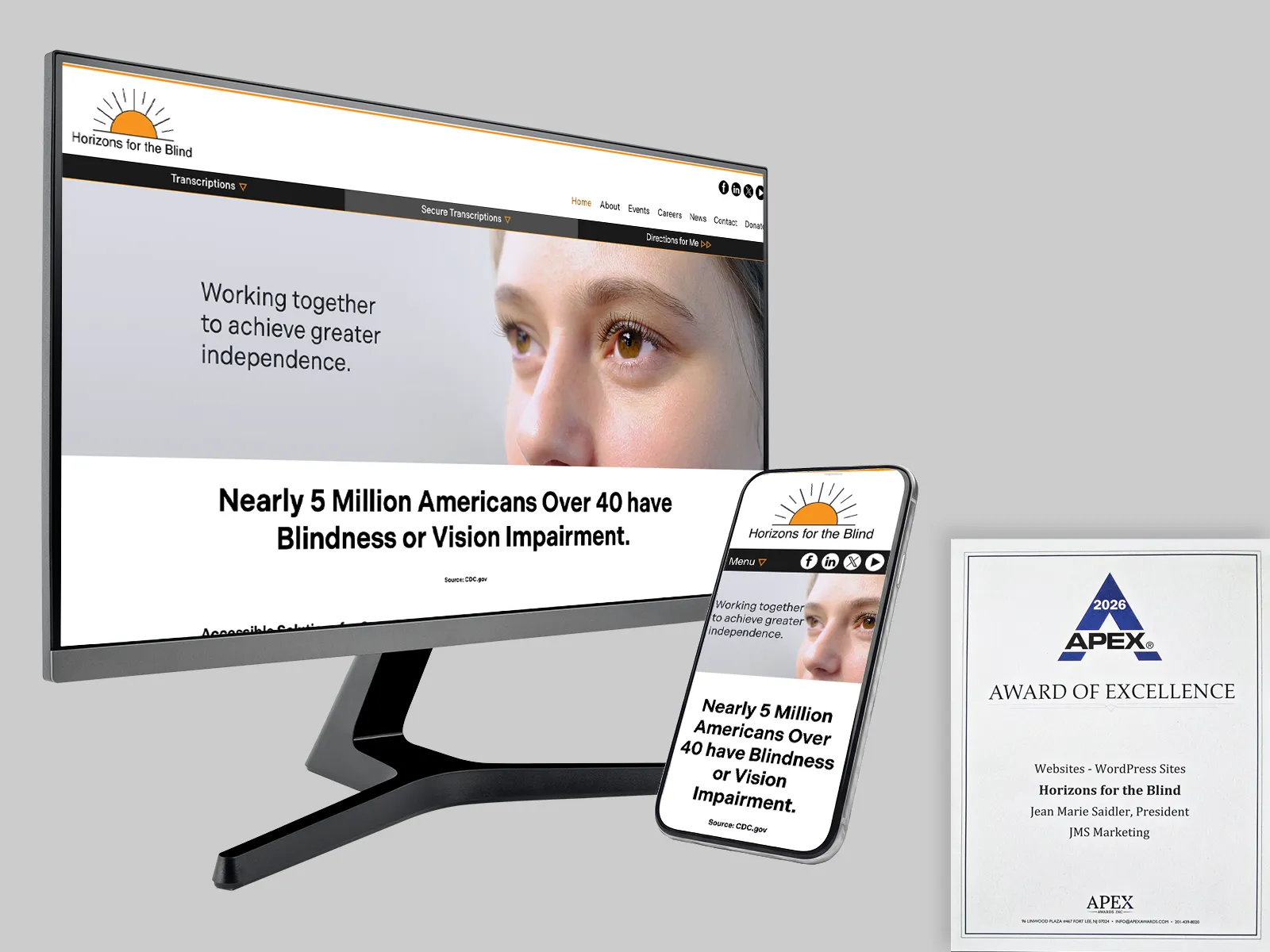
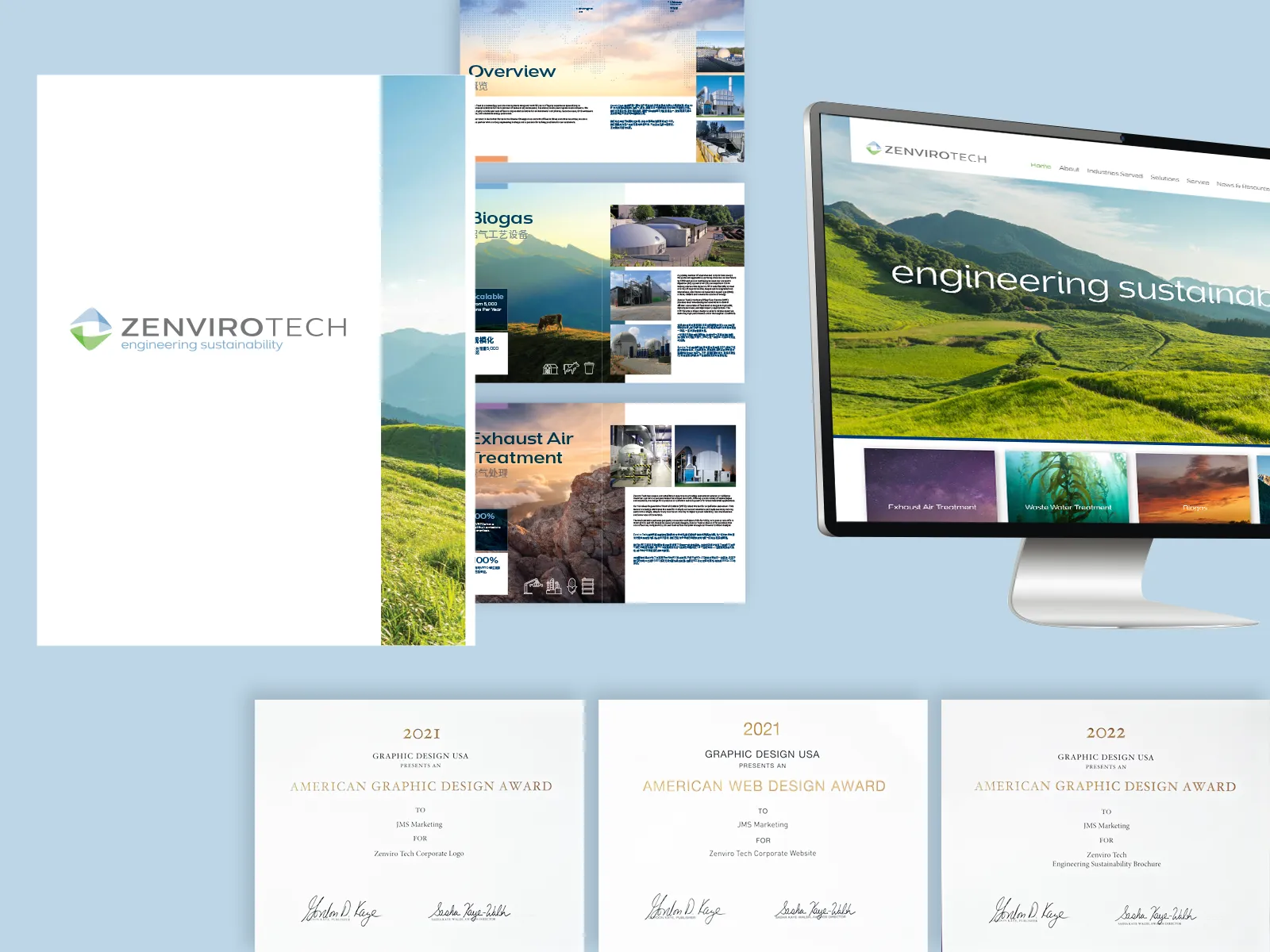
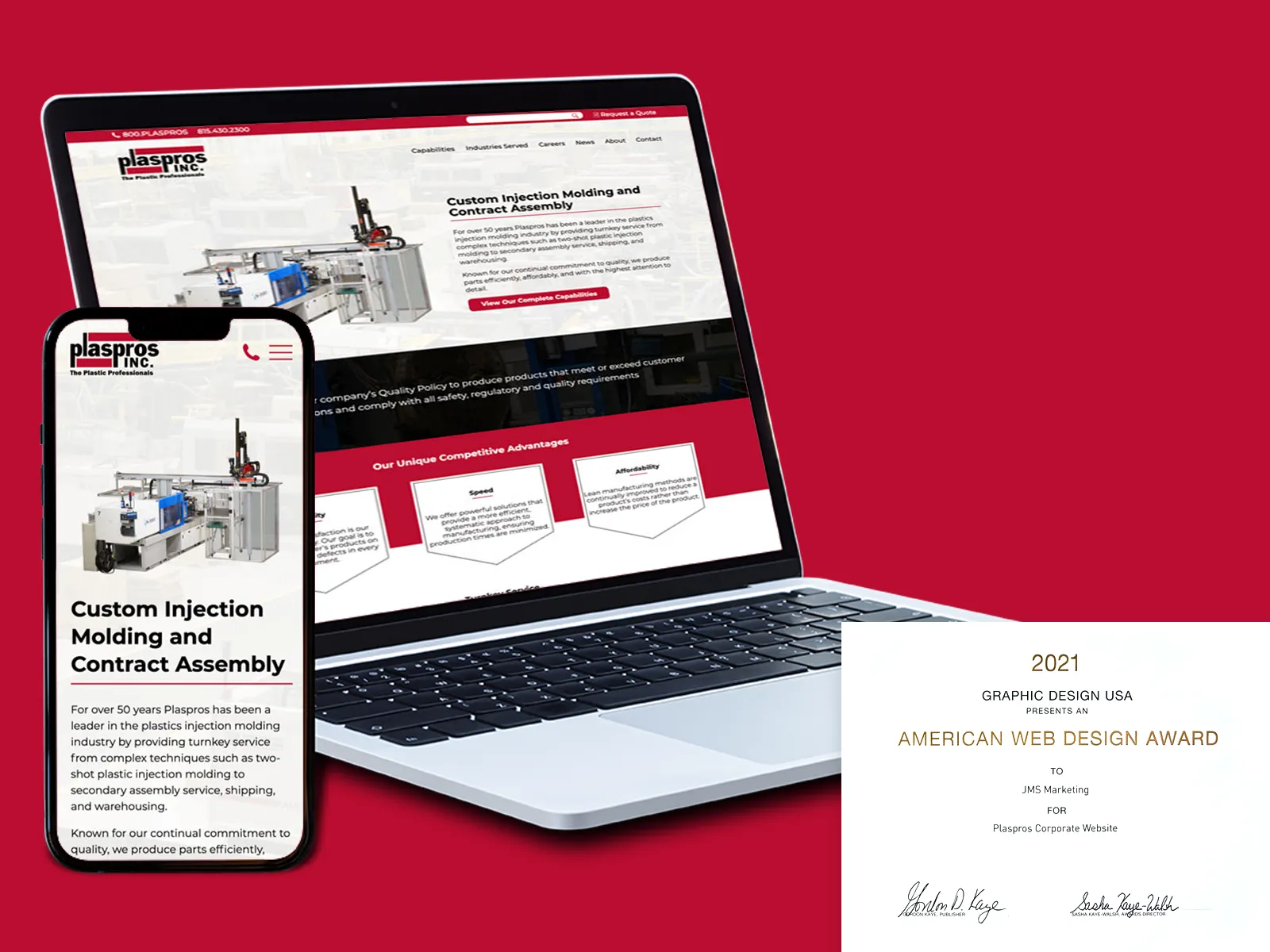
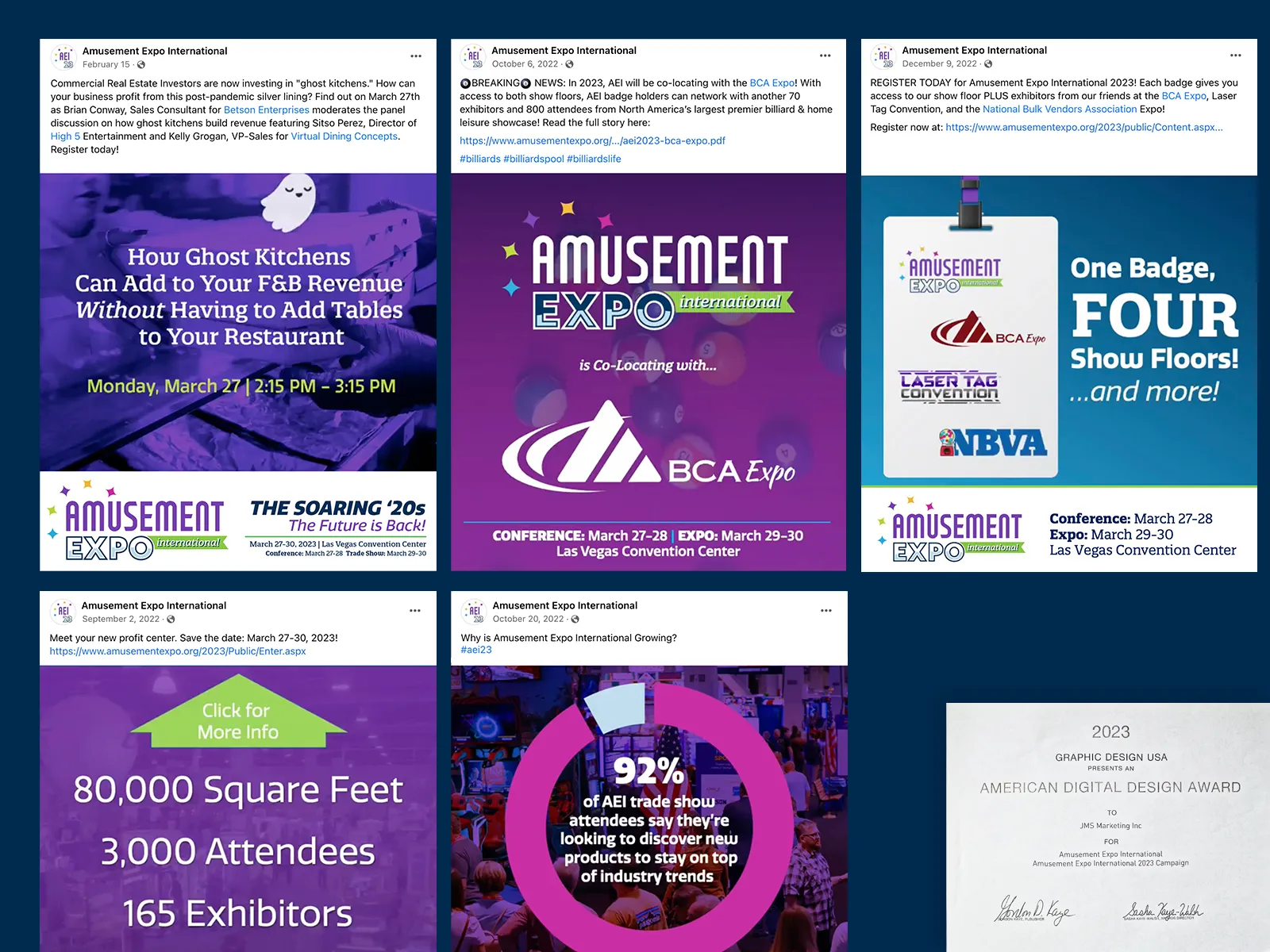
Another business milestone, celebrated with Crystal Lake Mayor Haig Haleblian. Over the years, some longtime client companies changed ownership and new businesses joined the JMS family, so staying adaptable mattered more than ever. As AI began changing how people search, they saw that their clients needed more than a fresh look. They needed refreshed websites, clearer messaging, stronger accessibility, and engaging infographics, animation, and video. The awards and recognition kept coming as JMS embraced new technologies, but their real goal stayed the same: protect their clients' visibility and keep client marketing relevant as the digital world changed. Planning ahead this way helped JMS grow steadily and productively, and their clients' best interests stayed at the heart of everything they did.

2026 - Today
Industry Milestones
-
The Next Best Thing
Marketing in 2026 is more data-driven, AI-assisted, and accountable than ever. Teams use automation to personalize campaigns, test creative quickly, and connect marketing activity to revenue outcomes. The industry culture has shifted from producing high volumes of content to building trust, relevance, and measurable customer experiences. Marketers now work more closely with sales, customer service, and technology teams. Human judgment still matters: brands that sound authentic, respect privacy, and create useful ideas stand out amid increasingly automated communications.
JMS Adaptation
-
Built to Adapt. Committed to B2B Connections
For more than 35 years, JMS Marketing has adapted as marketing itself has changed—from print and events to digital platforms, data, and now to powerful AI tools. While virtual communication has reduced some face-to-face interaction, it has also expanded the speed, reach, and measurable impact of marketing. JMS remains energized by the technologies ahead, using innovation to strengthen strategy, sharpen messaging, deepen audience insight, and help clients build meaningful connections in an increasingly digital marketplace.